July 8
HOW LONG DOES FENCE INSTALLATION TAKE?
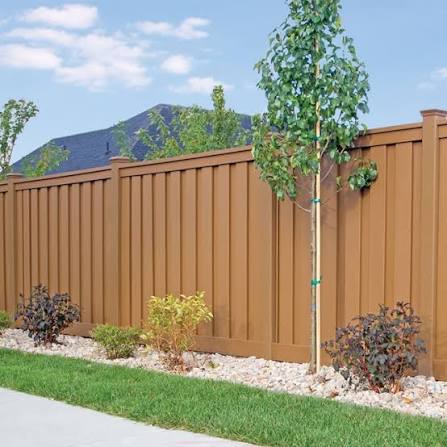
One of the most common questions homeowners have before starting a fencing project is how long the installation will take. There is no single timeline that applies to every fence because the amount of work involved can vary considerably from one property to another. A smaller and relatively straightforward residential fence may be completed quickly, while a larger property or complicated installation can require additional time for preparation, layout, digging, gates, terrain adjustments, and finishing work.
The overall size of the project is one of the biggest factors. Installing a short section of fencing around part of a backyard is naturally different from enclosing several acres of property. The longer the fence line, the more posts need to be placed, the more material needs to be installed, and the more time the project will generally require.
Fence material can also affect installation time. Different fencing systems have different installation processes. Wood fencing may involve installing individual posts, rails, and pickets or attaching preassembled panels. Vinyl fencing often uses manufactured panels and posts that must be positioned carefully so everything remains level and properly aligned. Chain link fencing requires posts, rails, tensioning, and securing the chain link fabric. Each material has its own workflow and site requirements.
The condition of the property also plays an important role. A flat, open yard with soft soil may be relatively easy to work with. Rocky soil, tree roots, steep slopes, drainage areas, existing structures, landscaping, or limited equipment access can make installation more complicated. Contractors may need additional time to adjust post locations, work around obstacles, or prepare the ground before the fence itself can be installed.
Removing an existing fence can add time to the project as well. Old posts may need to be pulled or cut out, concrete may need to be removed, and the old fencing material may need to be hauled away before new construction begins. If the old fence follows the same boundary as the new one, installers may also need to carefully determine where the new posts can be placed.
Gates are another factor that can affect the schedule. A simple pedestrian gate usually requires less work than a wide driveway gate or multiple gates throughout the property. Gate posts often need additional support because they carry more weight and experience repeated movement. Proper alignment is important so the gate opens, closes, and latches correctly.
Weather can influence installation time too. Heavy rain can make soil difficult to work with and may delay excavation or concrete work. Severe heat, storms, or saturated ground can also cause delays. Depending on the installation method, concrete around posts may need time to cure before additional weight is placed on the posts.
Property boundaries and utility locations should also be addressed before installation begins. Homeowners should know where their property lines are located, and underground utilities should be properly marked before post holes are dug. Taking care of these details before the installation crew arrives can help prevent unnecessary delays.
For a typical residential project, the actual construction portion may move faster than homeowners expect once materials are ready and the site is prepared. However, the complete timeline should account for planning, material availability, utility marking, preparation, weather, and any permits or local requirements. The best way to estimate the installation time is to evaluate the specific property and fence design rather than relying on a single number for every project.
NEED HELP WITH YOUR FENCE?
Ready to discuss your fencing project?
Tell us what you need and we'll help connect you with fencing professionals serving the area.
GET A FREE ESTIMATE →