July 28
WOOD OR CHAIN LINK?
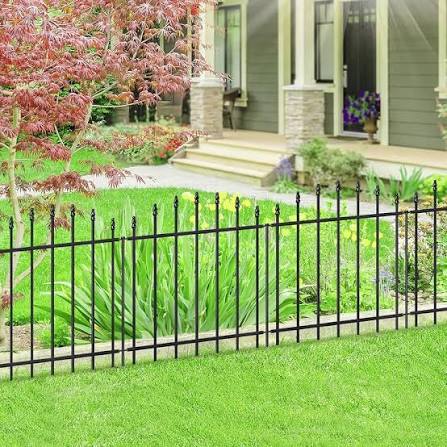
Wood and chain link are two of the most common fencing options for residential properties, but they serve very different purposes. Choosing between them usually comes down to privacy, appearance, maintenance, budget, and the size of the area you need to enclose. Neither material is automatically better than the other. The better choice depends on what you want your fence to accomplish and how you want your property to look.
Wood fencing is often chosen by homeowners who want privacy and a traditional residential appearance. A wood privacy fence can create a solid barrier between neighboring properties, helping make a backyard feel more private and comfortable. Wood is also highly customizable. Boards can be arranged vertically or horizontally, the fence can be built at different heights, and homeowners can choose from a variety of stains, paints, and decorative styles.
Because wood has a natural appearance, it can blend well with landscaping, gardens, decks, and older homes. It can also be repaired in sections if individual boards become damaged. However, wood generally requires more ongoing maintenance than chain link. Depending on the type of lumber and local weather conditions, a wood fence may need to be stained, sealed, painted, cleaned, or repaired over time. Moisture, insects, sunlight, and soil contact can all affect the lifespan of wooden fencing.
Chain link fencing takes a different approach. Instead of creating a solid visual barrier, chain link provides a durable boundary while keeping the property relatively open. It is frequently used around large yards, commercial properties, recreational areas, dog runs, and locations where security or containment is more important than privacy.
One of the biggest advantages of chain link is affordability. When a large area needs to be fenced, chain link is often less expensive than building the same length of solid wood privacy fencing. It also typically requires less routine maintenance. Galvanized chain link is designed to resist rust and weather exposure, and there are coated chain link options available for homeowners who prefer a darker or less industrial appearance.
The main tradeoff is privacy. Standard chain link fencing allows people to see through it. Privacy slats or screens can be added, but they may change the appearance and increase the total cost. Homeowners who want to create a secluded backyard may therefore prefer wood, vinyl, or another solid-panel fence.
The terrain and purpose of the fence should also be considered. Chain link can work particularly well on uneven ground because the fencing material can follow changes in elevation. Wood can also be installed on slopes, but the sections may need to be stepped or adjusted to follow the terrain properly.
If your priority is privacy and curb appeal, wood may be the better fit. If your priority is affordability, durability, containment, and covering a larger area, chain link may be more practical. Before deciding, think about how the fence will be used, how much maintenance you are comfortable performing, how important privacy is, and what style works best with your property. Comparing those factors will usually make the choice between wood and chain link much easier.
NEED HELP WITH YOUR FENCE?
Ready to discuss your fencing project?
Tell us what you need and we'll help connect you with fencing professionals serving the area.
GET A FREE ESTIMATE →